Buying Guide
This guide compares the best fabric gaffer tape using documented cloth backing construction, adhesive & clean removal, matte non-reflective finish, tear handling & conformability, roll dimensions & pack format, and environmental & surface durability.
A solid gaffer tape decision starts with what is actually in the roll: a real fabric or cloth backing, an adhesive engineered to release cleanly, and a matte surface that does not bounce stage light back into your shot. The picks in this guide are scored on those specification pillars, so the comparisons below stay grounded in published construction details rather than impressions.
Cloth Backing and Construction
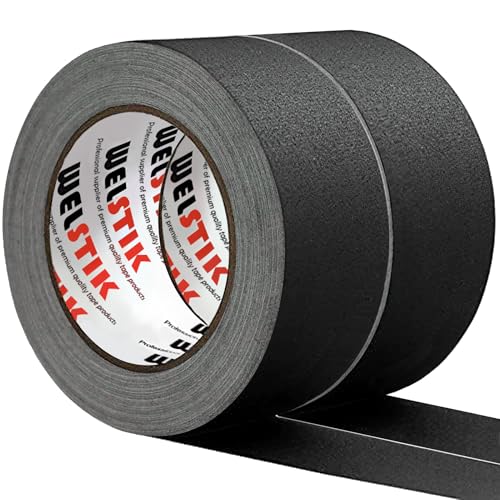
Real fabric gaffer tape uses a woven cloth carrier, typically cotton or a vinyl-coated cloth blend, which is what gives the tape its tensile strength and hand-tearability. Heavier cloth constructions, such as the 280-mesh, 15-mil WELSTIK build or the 3M GT2 cotton cloth at 11 mils, generally handle heavier cable bundles and rougher surfaces. Lighter cloth constructions are easier to tear but may stretch or fray at the edge. For cable runs that get bumped repeatedly, prioritize a higher mesh count and a documented mil thickness; for quick floor marks, a lighter cloth is fine.
Adhesive Type and Clean Removal
Gaffer Power, Lockport, and XFasten explicitly document no-residue removal, while WELSTIK states clean removal even after 30 days on the surface. If you are taping down to painted floors, vinyl backdrops, or camera gear, an adhesive designed for clean release is more important than raw tack strength. If you are sealing a cable run on concrete that will be removed within a day, a stronger industrial adhesive may be acceptable.
Matte Finish and Light Control
A non-reflective matte surface is what separates gaffer tape from glossy cloth duct tape. If you are using gaffer tape as floor marking or spike tape under broadcast lighting, a true matte finish prevents visible tape lines in the frame. Some rolls use powder-grounded pigments for a deeper matte appearance, which is worth considering for film and photography work.
Hand-tearable gaffer tape saves time on set. Look for tapes documented to tear cleanly in both horizontal and vertical directions without scissors. Gaffer Power, TufGaff, XFasten, and Lockport all call out bidirectional hand tearing. Conformability matters when wrapping around irregular shapes like XLR connectors, boom mic handles, or curved cable bundles; a flexible cloth backing will lay flat rather than tent at the edges.
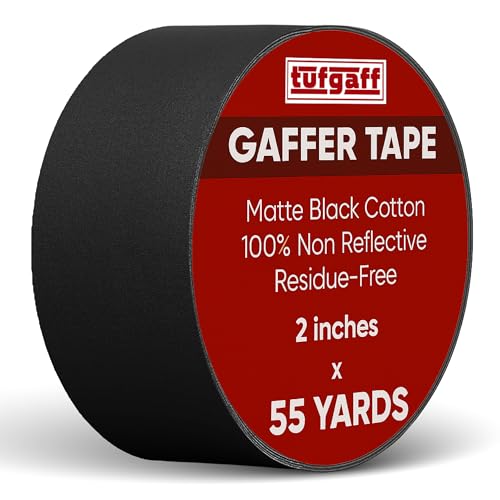
Most fabric gaffer tape is sold in 2-inch widths, with roll lengths ranging from roughly 30 yards (90 feet) to 55 yards (165 feet). A 55-yard roll like TufGaff reduces mid-show roll changes, while a 2-pack like WELSTIK or Lockport increases total footage without changing dispenser habits. Choosing between single long rolls and multi-roll packs is mostly a workflow call.
Environmental Durability
Outdoor shows, touring rigs, and HVAC or marine repairs put gaffer tape through heat, cold, and moisture. If your application involves sweat, spills, or weather, prioritize a roll with a documented water or weather claim.
Final Recommendation
Gaffer Power Black Gaffer Tape (2" x 30 Yards) ranks first overall in this specification-based comparison under the published weighted criteria.
If you need one specification-based choice for general stage, studio, and event work, start with Gaffer Power Black Gaffer Tape. Its cotton cloth backing, synthetic rubber adhesive, matte finish, and bidirectional hand tearing cover the core use cases for the best fabric gaffer tape on most sets, and the 2-inch by 30-yard format matches standard cable runs. Together these three represent the top fabric gaffer tape options in the comparison, and they anchor any shortlist when you are choosing among the top fabric gaffer tape candidates for 2026.
Frequently Asked Questions
What makes the best fabric gaffer tape different from regular duct tape?
The best fabric gaffer tape uses a real woven cloth backing and a synthetic rubber adhesive engineered to remove cleanly, while duct tape often uses a polyethylene film with a more aggressive adhesive that can leave residue and a glossier finish. The cloth construction in gaffer tape is also what allows clean, straight hand tears and a true matte surface for camera work.
Is 11-mil or 15-mil gaffer tape better?
Neither thickness is universally better. A 15-mil cloth roll, like WELSTIK’s upgraded build, adds extra tensile strength for heavy cables and rough surfaces but can feel stiffer when wrapping small connectors.
Can fabric gaffer tape be used outdoors?
Several rolls in this comparison document outdoor use. For permanent outdoor mounting, even outdoor-rated gaffer tape is still a temporary solution and may need replacement as the adhesive weathers.
How wide should gaffer tape be for cable runs?
A 2-inch width is the most common format for XLR, lighting, and power cable runs because it covers typical cable diameters without excessive overhang. Tapes like Gaffer Power, TufGaff, and WELSTIK all use this width. For very thin cables or fine spike tape work, a narrower roll may be easier to handle, while wider rolls suit floor marking and set construction.
Does fabric gaffer tape leave residue on painted surfaces?
Tapes that explicitly document clean removal, such as Gaffer Power, Lockport, XFasten, and WELSTIK, are designed to release without sticky residue even after multi-day use. On delicate or freshly painted surfaces, testing a small section first is still wise, because dwell time, temperature, and surface texture all influence how the adhesive releases.