Buying Guide
Choosing the best finish hand saws starts with identifying the cut, not simply selecting the finest tooth count. A saw for trimming a dowel flush to a board has different priorities from one used to cut a tenon shoulder or crosscut wider stock. This selection includes conventional push saws, Japanese pull saws, flush-cut blades, double-edge designs, and a multi-saw set.
Match the saw to the cut
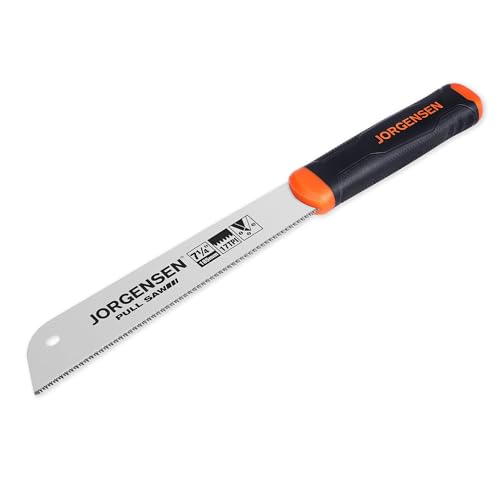
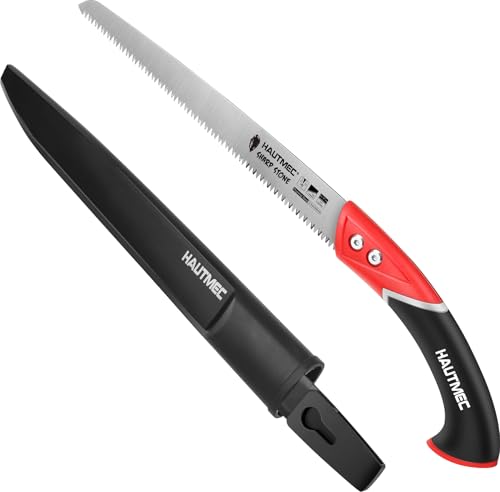
For close trimming, a flush-cut saw is the most directly aligned design. The JORGENSEN 5-Inch Double-Edge Flush Cut Saw, SUIZAN 5-Inch Japanese Flush Cut Saw, and JORGENSEN 7.25-Inch Single-Edge Pull Saw are listed for flush or detail work. The HAUTMEC 9-Inch Folding Flush Cut Saw adds a longer blade and folding handle.
For joinery, the Temple Tool Co. Japanese Pull Saw is listed for tenon shoulders, Kumiko, and fine joinery crosscuts, with 25 TPI crosscut teeth. For a broader woodworking role, the JORGENSEN 10-Inch Japanese Pull Saw has a coarse 7–12 TPI edge and an 18 TPI fine edge, so one tool covers rip and finer crosscut work.
Traditional handsaws remain useful when you want a familiar push-stroke format and more blade length. The STANLEY 20-526 uses a 15-inch, 12 TPI fine-finish blade and includes rubber grips, welded handles, and reusable guards.
Consider tooth configuration
The Temple Tool saw’s 25 TPI crosscut pattern is the most specialized fine-joinery configuration in this comparison. Double-edge saws add flexibility: the Hanpex has 17 TPI and 14 TPI edges, the Frocopo uses 17 TPI and 11 TPI, and the JORGENSEN 5-Inch model provides 18 TPI and 25 TPI sides. The JORGENSEN 10-Inch model combines a coarse rip side with an 18 TPI finish side.
Pull saws versus push saws
Japanese pull saws cut on the pull stroke, as documented for the SUIZAN and other Japanese-style products here. Pull-saw designs often use flexible blades and narrow profiles, which can help with flush cuts, joinery, and detail work. They should be guided carefully because flexibility is part of the design.
Push saws such as the STANLEY 20-526 use a conventional format. They may suit longer general woodworking cuts when you prefer a traditional handsaw. A compact pull saw is convenient around protruding dowels and joints, while a longer conventional saw can cover more material with each stroke.
Evaluate blade material and serviceability
Several selected products specify SK5 steel, including the JORGENSEN Japanese saws, HAUTMEC models, Hanpex, Frocopo, and the Evertools set. The listings also describe hardening or triple-ground teeth on several saws. These are specification differences, not hands-on performance results.
Replaceability can matter for regular use. The JORGENSEN 10-Inch, JORGENSEN 5-Inch, and JORGENSEN 7.25-Inch models document replaceable blades. The SUIZAN listing says its blade is not replaceable.
Prioritize handling and storage
Soft or non-slip grips appear on the JORGENSEN, HAUTMEC, Hanpex, Frocopo, and STANLEY selections. The Temple Tool saw uses a solid wood handle, and the Evertools set uses separate saws for wood cutting and trim work. These are documented design features, not proof of comfort during actual use.
Storage also matters because exposed teeth need protection. The HAUTMEC 9-Inch saw folds, while the STANLEY model includes reusable blade guards.
Choose a set or a single saw
A single specialized saw is easier to match to a defined task. The Temple Tool model targets fine joinery, while the SUIZAN and JORGENSEN flush-cut options focus on trim and close cuts. A set is more suitable when projects vary. The Evertools 3-Piece Japanese Hand Saw Set includes a ryoba, flush-cut saw, and pruning blade, so it covers more tasks but also includes a blade that may not be needed for indoor finish work.
The JORGENSEN 10-Inch and Hanpex models offer a middle ground: one saw with more than one tooth configuration. If your work is almost entirely flush trimming, a dedicated short blade may be easier to position.
Final Recommendation
JORGENSEN 10-Inch Japanese Pull Saw ranks first overall in this specification-based comparison under the published weighted criteria.
JORGENSEN 10-Inch Japanese Pull Saw is the first overall specification-based choice in this comparison.
The JORGENSEN 10-Inch Japanese Pull Saw is the first overall specification-based choice among these best finish hand saws. Its double-edge 7–12 TPI and 18 TPI layout, flexible replaceable SK5 blade, and 10-inch reach give it broad documented coverage for rip cuts and fine crosscuts.
For specialized joinery, choose the Temple Tool Co. Japanese Pull Saw because its 25 TPI crosscut teeth and stated tenon-shoulder and Kumiko applications are focused. For portable flush trimming, the HAUTMEC 9-Inch Folding Flush Cut Saw adds a folding body, locking handle positions, and a 17 TPI blade. The STANLEY 20-526 is the conventional option for users who prefer a longer push saw with 12 TPI fine-finish teeth.
Among the top finish hand saws for compact work, the JORGENSEN 5-Inch, SUIZAN 5-Inch, Hanpex, and Frocopo models each offer a different balance of tooth pattern, blade flexibility, and size. The Evertools set is the broadest multi-tool choice, while the JORGENSEN 7.25-Inch model is focused on dowels and small detail cuts.
Frequently Asked Questions
What are the best finish hand saws for flush-cutting dowels?
The JORGENSEN 5-Inch Double-Edge Flush Cut Saw, JORGENSEN 7.25-Inch Single-Edge Pull Saw, HAUTMEC 9-Inch Folding Flush Cut Saw, and SUIZAN 5-Inch Japanese Flush Cut Saw are directly aligned choices. Their listings identify flush cutting, dowel trimming, or close detail work. Choose the shorter blade for tight access and the longer blade when additional reach is useful.
Is a Japanese pull saw suitable for finish work?
Yes. Several selected Japanese pull saws are listed for flush cuts, fine joinery, trim, or detailed woodworking. The JORGENSEN 10-Inch model provides an 18 TPI fine edge, while the Temple Tool saw is specified for 25 TPI joinery crosscuts. Pull saws use a pull stroke and may have flexible blades, so controlled guidance is important.
Should I choose a double-edge finish saw?
A double-edge saw can be useful when you need two tooth configurations in one tool. The JORGENSEN 5-Inch has 18 TPI and 25 TPI sides, while the Hanpex and Frocopo models pair finer teeth with a coarser edge. If your work is limited to one type of fine cut, a single-edge specialist may be simpler.
Are longer blades better for finish cuts?
Not automatically. The STANLEY 20-526 has a 15-inch, 12 TPI blade for a conventional longer format, while the JORGENSEN 5-Inch and SUIZAN 5-Inch saws are compact for close work. Longer blades can provide reach, but shorter blades may be easier to control around joints, dowels, and trim.
What should I look for when buying the best finish hand saws?
Start with the intended cut, then compare tooth configuration, blade material, flexibility, handle design, blade length, and storage protection. Replaceable blades are documented on selected JORGENSEN models, while the HAUTMEC folding saw emphasizes compact storage. The best match is the saw whose documented design fits your specific work.