Buying Guide
The best nonmetallic electrical conduit fittings are selected by matching the connector to the conduit, enclosure, route, and exposure conditions. The products above are a specification-based comparison of listing information, not hands-on test results. Before buying, verify the conduit diameter and the connector’s NPT thread size; a visually similar fitting is not necessarily compatible.
Match the conduit size first
The selected products cover 1/2-inch, 3/4-inch, 1-inch, and 1-1/2-inch formats. Size is the first filter because the connector must accept the conduit and seat correctly against the electrical box or enclosure. The HDHAODA and Wocloer assortments focus on 1/2-inch work, while the mixed HDHAODA pack covers 3/4 inch. Moicstiy is the selected large-size option at 1-1/2 inches.
Some listings use a nominal conduit size while also describing NPT thread size. Treat those details as separate checks. Confirm the product page’s stated size, thread, and intended conduit type before ordering, especially for 1-inch and larger fittings.
Choose straight or 90-degree entries
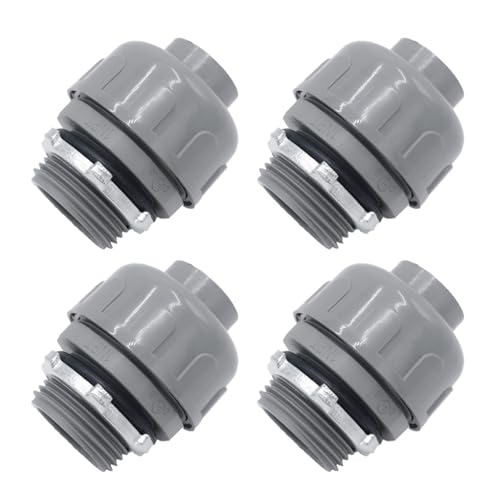
A straight connector is suitable when the conduit approaches the box or equipment in a direct line. The HDHAODA 1/2-inch 10-pack, Cionyce pair, Joyangy four-pack, and Moicstiy pair are straight-focused choices. Straight fittings simplify stocking when a project has repeated direct entries.
A 90-degree fitting can help route flexible conduit around a corner or reduce the bend needed immediately at an enclosure. The 3/4-inch HDHAODA mixed pack includes both straight and 90-degree pieces. The Wocloer and Feotech 30-piece assortments also combine the two configurations. If the route is not fully known, a mixed pack can provide more options than a straight-only purchase.
The Sealproof, Elecoman, and Wocloer conduit kits include both connector orientations along with flexible conduit. These are different from connector-only packs: they may be a better match for a new run, but they can be excessive when existing conduit is already installed.
Review the liquid-tight connection design
Most selected products describe a ferrule, dome sealing nut, gasket or O-ring, and locknut. The stated installation process generally involves pushing the conduit onto the ferrule and tightening the dome nut by hand. This design is central to the liquid-tight category, but the listing language should not replace project-specific installation instructions or code requirements.
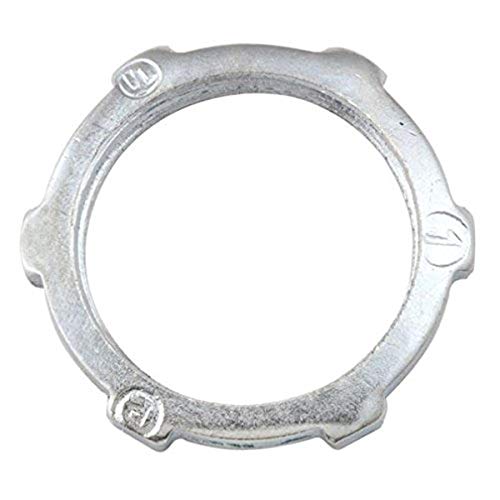
The HDHAODA 3/4-inch pack explicitly lists the main body, domed nut, O-ring, and steel locknut. Moicstiy and Joyangy identify sealing gaskets and locknuts. When comparing packs, check that the required sealing components are included rather than assuming every connector has the same hardware.
Consider material and exposure claims
PVC and nylon 6 appear throughout the selected listings. HDHAODA’s nylon 6 products document impact, rust, oil, seawater, and mild-acid resistance, plus a 94V-2 flammability rating. Several PVC products describe resistance to water, oil, acid, corrosion, abrasion, or impact. These are useful specification clues, but they apply only as stated by each listing.
For a conduit run exposed to sunlight, wet areas, rough handling, or burial, the complete kits provide the most detailed environmental information. Sealproof documents outdoor, sunlight-resistant, and direct-burial use, as well as UL and CSA ratings. Elecoman also states outdoor, UV-resistant, and direct-burial suitability. Wocloer describes outdoor, UV-resistant, and direct-burial applications. Connector-only packs may document material resistance without documenting the complete conduit system, so evaluate the conduit separately.
Decide between a kit and a connector-only pack
A connector-only pack makes sense when the conduit is already available or when replacing several fittings. Quantity-focused options include the Wocloer and Feotech 30-piece assortments, while the HDHAODA straight pack supplies ten consistent 1/2-inch entries. Smaller two- and four-piece packs can reduce unused inventory for a limited repair.
A kit can simplify a new installation because the conduit and fittings are presented together. Sealproof supplies 25 feet of 3/4-inch conduit with six fittings. Elecoman supplies 25 feet of 1/2-inch conduit with eight fittings, and Wocloer supplies the same conduit length with seven fittings. Check the included connector count and angle mix against the route before assuming the kit contains enough pieces.
Check certification and installation details
The supplied evidence identifies UL listing for Sealproof, Elecoman, HDHAODA, Wocloer 30-pack, and Moicstiy products. Sealproof also lists CSA certification. Certification claims are product-specific, so confirm the current product documentation and the requirements for the installation. A listing that says tool-free installation does not mean the surrounding wiring work needs no tools or that no additional sealing, cement, or enclosure preparation is required.
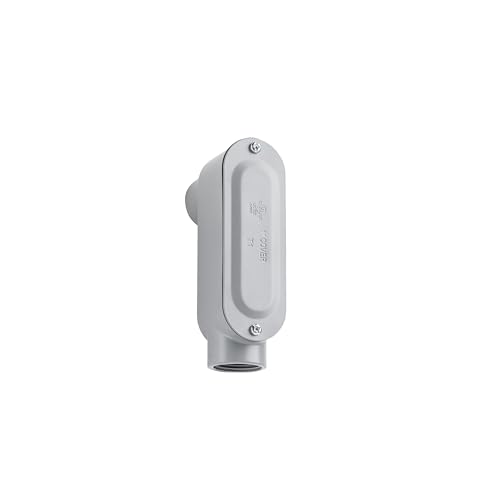
For rigid PVC conduit bodies, installation can involve primer and solvent cement, but that adjacent design is not included in this comparison because the selected products focus on flexible liquid-tight connector fittings. Keep product types separate when planning the job.
Final recommendation
Sealproof 3/4-Inch 25-Foot Conduit and Connector Kit ranks first overall in this specification-based comparison under the published weighted criteria.
Sealproof 3/4-Inch 25-Foot Conduit and Connector Kit is the highest-scoring returned product and the first overall specification-based choice among the best nonmetallic electrical conduit fittings. It has the broadest documented system evidence, including conduit, straight and 90-degree connectors, direct-burial and sunlight claims, and both UL and CSA certification details.
For 1/2-inch work, Elecoman is the most specification-aligned complete-kit alternative, while Wocloer’s 30-pack is a practical connector-only assortment for repeated connections. Choose HDHAODA’s mixed 3/4-inch pack when both entry angles are needed without buying a conduit roll. For larger conduit, Moicstiy covers the selected 1-1/2-inch size. The top nonmetallic electrical conduit fittings still require careful size, thread, configuration, and exposure checks before purchase.
Frequently Asked Questions
Verify the conduit diameter, NPT thread size, straight or 90-degree configuration, included gasket or O-ring, locknut, and the application’s indoor, outdoor, wet, oil, UV, or burial requirements. Also check whether you need fittings only or a complete conduit kit.
Several selected listings describe outdoor use, and the Sealproof, Elecoman, and Wocloer kits provide specific outdoor or direct-burial claims. Connector-only products also list outdoor applications, but their evidence may not cover the entire conduit system. Confirm the exact product documentation and applicable installation requirements.
When is a 90-degree connector useful?
A 90-degree connector is useful when flexible conduit approaches an enclosure around a corner or when a straight entry would create an undesirable route. Mixed packs such as the HDHAODA 3/4-inch pack and the Wocloer and Feotech assortments provide both straight and angled options.
Is a connector-only pack better than a conduit kit?
Neither is universally better. A connector-only pack fits repairs or projects where conduit is already on hand. A kit can be more convenient for a new run because it includes conduit and fittings together. Compare the conduit length, diameter, connector count, and angle mix with the actual installation.
Many selected listings describe pushing the conduit onto a ferrule and tightening the dome sealing nut without additional tools. That describes the connector attachment method, not every task in an electrical installation. Follow the product instructions and applicable electrical requirements for the complete project.