Buying Guide
The best rigid electrical conduit fittings are selected by function first, then by conduit size, material, sealing design, and documentation. A conduit body changes the direction of a raceway and creates an access point. A hub terminates threaded conduit at an enclosure. A nipple joins conduit, boxes, or metal enclosures. These are different jobs, so comparing only the outside material or package format can lead to the wrong choice.
Match the fitting to the wiring layout
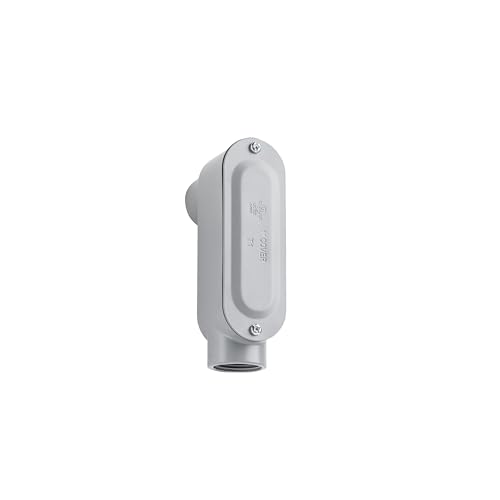
Use a Type LB body when the raceway needs a turn and the body must sit against a structure. The Sealproof LB100 documents a 90-degree turn for 1-inch rigid or IMC conduit, while the Sigma ProConnex 1-Inch Type LB also states that it mounts flush against structures. The 1/2-inch Sigma Type LB is a smaller alternative with a removable cover for interior raceway access.
A Type C body is better suited to a straight conduit run that needs an accessible point for pulling, splicing, or maintenance. The Sigma ProConnex 3/4-Inch Type C is explicitly described for 3/4-inch rigid conduit or IMC. Its cover and gasket are pre-assembled, and its listing includes wet-location suitability. That makes the design distinct from an elbow or offset nipple.
For a 90-degree change where pull access is especially important, the Sigma ProConnex 1/2-Inch Rigid-to-Rigid Pull Elbow documents both the bend and a removable cover. A pull elbow can be more appropriate than a basic connector when the raceway path changes direction and the interior must remain accessible.
Verify conduit and knockout sizes
Nominal size is a central selection check. The products in this comparison range from 1/2-inch to 2-inch applications, but they are not interchangeable. The Sigma 1/2-Inch Watertight Hub is intended for 1/2-inch rigid threaded conduit or IMC. The Tewloss hub is documented for 1-inch IMC and rigid conduit. The Sigma 2-Inch Threaded Nipple is intended for 2-inch conduit or a 2-inch knockout.
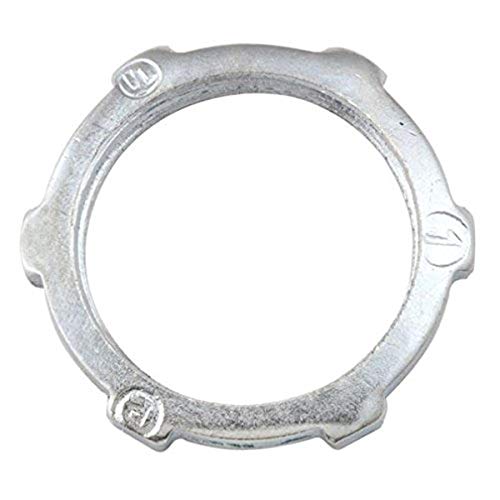
Nipples also need the right enclosure relationship. The Sigma 1/2-Inch Threaded Nipple is described for extending conduit and connecting steel outlet boxes or metal enclosures when used with locknuts. The Sigma 2-Inch Threaded Nipple has a similar enclosure role at a larger size. The Sigma 1/2-Inch Rigid Offset Nipple adds a documented 3/4-inch axis for an offset connection between boxes. Check the knockout size, thread type, and required companion hardware before ordering.
Choose material according to the documented application
Construction material helps describe how a fitting is made, but it should not be treated as proof of performance beyond the supplied evidence. Selected conduit bodies use aluminum or zinc die-cast construction. The Sealproof LB100 uses die-cast aluminum and has a powder-coated finish described as helping protect against rust and corrosion. The Sigma Type C uses aluminum die-cast construction, while the pull elbow and offset nipple use zinc die-cast construction.
The threaded nipples use zinc-plated steel. That makes them a different design choice from die-cast conduit bodies and hubs. The Tewloss hub is zinc die-cast and includes an O-ring. Consider the body material, cover material, gasket, and intended enclosure connection together rather than assuming that one material is universally preferable.
Pay attention to sealing details
For exposed or wet areas, look for an explicitly documented gasket, sealing ring, O-ring, or environmental designation. The Sealproof LB100 includes an NBR synthetic rubber gasket and is described as suitable for outdoor conditions. The Sigma 3/4-Inch Type C includes a rubber gasket and is listed as suitable for wet locations.
The Sigma 1/2-Inch Watertight Hub has a rubber sealing ring and documentation for several NEMA enclosure types, including 3R, 4, 4X, 5, and 12. The Tewloss 1-Inch Watertight Hub uses an O-ring and is described as helping prevent moisture, dust, and debris from entering enclosures. These statements are product-specific; they should not be generalized to every fitting in the category.
Check access and maintenance features
Removable covers are valuable when the fitting is also a raceway access point. The selected Sigma conduit bodies include removable covers, and the Sealproof LB100 is described as allowing access for pulling, splicing, or maintenance. The pull elbow likewise combines a 90-degree bend with a removable cover and gasket.
A nipple or hub does not provide the same internal access function. Nipples are primarily connection components, while hubs terminate conduit at enclosures. If the installation requires a place to pull or service conductors, a documented conduit body or pull elbow may be the better design. If the objective is simply to enter a box or panel, a hub or nipple may be more appropriate.
Certification details are useful screening evidence. The Sigma 1/2-Inch Type LB, Sigma 3/4-Inch Type C, and Sigma pull elbow are documented as UL and CSA listed. The Sigma 1/2-Inch Threaded Nipple is documented as cCSAus listed. The Sealproof LB100 is UL listed. The Sigma Watertight Hub is also UL and CSA listed.
The supplied evidence does not provide certification statements for every selected product. That absence is not proof that a product lacks certification; it means the comparison does not claim one. Always confirm the fitting’s marking, listing, size, and installation requirements for the specific project.
Final recommendation
Sealproof LB100 1-Inch Aluminum LB Conduit Body ranks first overall in this specification-based comparison under the published weighted criteria.
The final choice among the best rigid electrical conduit fittings depends on the documented features that match your intended use.
Sealproof LB100 is the highest-scoring returned product and the first overall specification-based choice. It combines documented 1-inch rigid or IMC compatibility, an LB turn, threaded hubs, die-cast aluminum construction, a gasketed cover, outdoor-oriented sealing details, and UL listing. Among the top rigid electrical conduit fittings, it offers a balanced option for a 90-degree outdoor or exposed enclosure route.
Choose the Sigma ProConnex 3/4-Inch Type C when a straight access body and wet-location documentation matter. Choose the Sigma 1/2-Inch Watertight Hub for a sealed enclosure termination, or the Tewloss 1-Inch Watertight Hub when several 1-inch connections are needed. For a large enclosure connection, the Sigma 2-Inch Threaded Nipple is the size-specific option. The Sigma Pull Elbow, Type LB bodies, and offset nipple are more specialized choices for routing geometry and access.
Frequently Asked Questions
What are the best rigid electrical conduit fittings for an outdoor 90-degree turn?
The Sealproof LB100 is the clearest documented option in this comparison for that use. It is compatible with 1-inch rigid or IMC conduit, uses an LB design for a 90-degree turn, includes a gasketed cover, and is described for outdoor conditions. Confirm the required conduit size and enclosure details before installation.
What is the difference between a conduit body and a threaded nipple?
A conduit body changes or manages the raceway route and typically provides an access cover for pulling or maintenance. A threaded nipple is primarily a short connection component between conduit, boxes, or metal enclosures. The Sigma Type C and Type LB products document removable covers, while the Sigma threaded nipples document enclosure connections used with locknuts.
Which fitting is intended for a wet-location enclosure entry?
The Sigma ProConnex 1/2-Inch Watertight Hub has particularly detailed supplied enclosure-sealing documentation, including a rubber sealing ring and several NEMA enclosure types. The Tewloss 1-Inch Watertight Hub also documents an O-ring and moisture, dust, and debris protection claims. Match the hub size to the conduit and enclosure opening.
When should I choose an offset nipple?
Choose the Sigma ProConnex 1/2-Inch Rigid Offset Nipple when two boxes or enclosures do not align for a straight connection. Its listing documents an offset connection, compatibility with 1/2-inch knockouts, and a 3/4-inch axis. It is not a substitute for a conduit body when interior raceway access is required.
Do threaded nipples include the locknuts needed for enclosure connections?
The supplied listings describe the Sigma threaded nipples as used with locknuts, but they do not state that locknuts are included. Treat locknuts as required companion hardware unless the package contents for the specific listing confirm otherwise.