Buying Guide
The best thermal heat sinks are selected by matching the cooler’s material, available surface area, mounting method, and physical envelope to the component. A heatsink is not a universal part: an M.2 drive, a TO-220 regulator, an LED board, and a stepper motor require different contact areas and retention approaches. Start with the component’s dimensions, identify how heat will reach the sink, and then check whether the surrounding enclosure can accommodate the full height and width.
Match the heatsink to the component
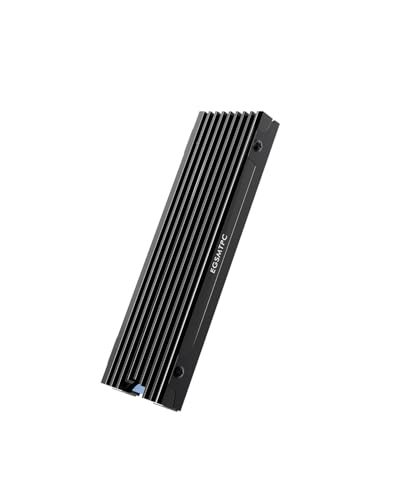
First identify the device or board that needs cooling. The Thermalright HR-09 2280 PRO, Haojiaho heatsink, EGSMTPC heatsink, and ELUTENG package are specifically documented for M.2 2280 SSDs. Those products use SSD-sized bodies, thermal pads, or retention hardware intended to keep the sink against the drive. They are more appropriate for an M.2 installation than a general rectangular plate, even when a larger plate might appear to offer more metal.
For TO-220 devices, the Easycargo 12-Pack is the focused choice in this list. Its 20 x 15 x 10mm aluminum sinks are paired with screws, washers, bushings, and silicone insulators, and the listing names LM317, L7805, L78XX, and MOSFET applications. That package-specific hardware matters because a semiconductor tab may require insulation from the mounting surface. Do not assume a general adhesive-backed heatsink provides the same mounting or isolation arrangement.
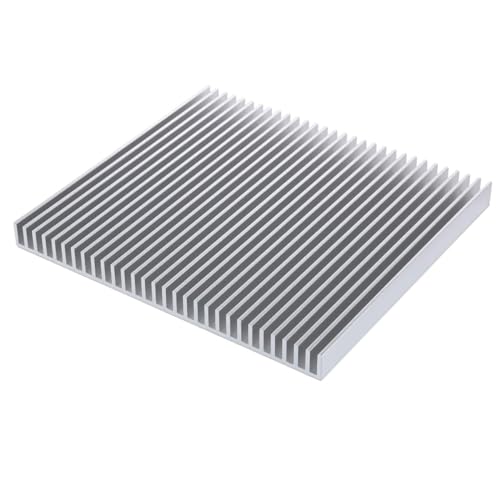
Broad lighting boards and large electronic surfaces call for a different shape. The Tyenaza 300 x 140 x 20mm heatsink and the Awxlumv 200 x 220 x 18mm heatsink both document large aluminum plates with multiple fins. Their footprints are intended for high-power LED or similarly broad surfaces, so measure the board and mounting area before choosing one. The Awxlumv 69 x 69 x 36mm block is smaller but taller, making it a better candidate for a concentrated component area when vertical clearance is available.
Compare aluminum and copper
Most of the selected products use aluminum or aluminum alloy. The material is documented for the Tyenaza, Awxlumv, Easycargo, Thermalright, EGSMTPC, and ELUTENG designs. Aluminum keeps the larger plates practical in weight and supports finned structures across a broad range of shapes. Anodized finishes are specifically noted on several Awxlumv and Easycargo products.
Copper is documented for the Haojiaho M.2 heatsink. Its listing identifies a pure-copper body and a 2mm profile. That combination makes it notable when a slim SSD heatsink is needed. Material alone should not decide the purchase; the contact area, pad thickness, retention, and clearance are equally important.
Consider fin area and airflow
Fins increase exposed surface area, but a higher fin count does not automatically mean a product fits every installation. The Tyenaza plate lists 19 fins, the large Awxlumv plate lists 30, and the Awxlumv 69mm block lists 27. The Thermalright SSD cooler lists 33 fins and a 7500mm² heat-dissipation area. These details help compare documented geometry, but the supplied data does not establish a common temperature result across products.
Passive sinks depend on contact with surrounding air. Leave room around the fin field where the enclosure allows it, and avoid covering the fins with tape, a case wall, or another component. Large plates can spread heat across a wide board, while a compact block concentrates the cooling surface over a smaller footprint. The 69 x 69 x 36mm Awxlumv block has a tall profile; the 2mm Haojiaho plate has the opposite priority. Choose based on the actual available space rather than fin count alone.
Check the thermal interface
The interface between the device and the heatsink is critical to installation. The Awxlumv 80 x 40 x 11mm pair also has pre-coated thermal tape. These designs are intended for attachment to suitable clean surfaces, but the listing does not establish compatibility with every material or operating condition.
The SSD products use different approaches. Thermalright supplies double-sided silicone pads and adjustable height screws. Haojiaho includes a silicone thermal pad and rubber rings. EGSMTPC includes nano-silicon thermal pads and a screw design. ELUTENG includes thermal pads, metal clips, and rubber bands. Confirm that the pad thickness and retention method suit the drive, label, enclosure, and nearby components before installation.
Measure clearance before installation
Record the component length and width, then measure the maximum permitted height. The Haojiaho heatsink is only 2mm high, while the large Awxlumv block is 36mm high and the Thermalright model lists a 74mm height. Those figures represent very different enclosure requirements. The large Tyenaza and Awxlumv plates also need sufficient horizontal area for their 300 x 140mm and 200 x 220mm footprints.
For M.2 installations, confirm the 2280 format and examine whether the drive is single-sided or otherwise compatible with the selected retention system. EGSMTPC explicitly notes that dual-layer hard drives are unsupported. For a TO-220 kit, check the spacing of the component leads and the available mounting point. For adhesive-backed sinks, verify that the surface is large and flat enough for the documented base dimensions.
Choose passive or application-specific construction
All ten selected products are passive heatsinks or passive component kits. The source pool also contains an active Raspberry Pi cooler, but it is not included in this passive comparison. Passive products have no fan connection, so installation depends on the sink, interface, ambient airflow, and component fit. This can be useful where a fan is not part of the design, but the listings do not provide standardized test results.
Application-specific construction is often more useful than a generic label. Thermalright, Haojiaho, EGSMTPC, and ELUTENG focus on M.2 SSD dimensions and retention. Easycargo’s TO-220 kit includes package hardware. The large Tyenaza and Awxlumv plates address broad LED or board surfaces. The Easycargo and Awxlumv rectangular kits target maker electronics such as stepper drivers, Peltier modules, VRM components, LEDs, and routers.
Final Recommendation
Thermalright HR-09 2280 PRO Black SSD Heatsink ranks first overall in this specification-based comparison under the published weighted criteria.
The final choice among the best thermal heat sinks depends on the documented features that match your intended use.
Tyenaza 11.8 x 5.51-Inch Large Aluminum Heatsink is the highest-scoring returned product and the first overall specification-based choice for broad LED and circuit-board surfaces. Its 300 x 140 x 20mm aluminum body and 19 fins give it the widest documented footprint in this group, although the installation method must be planned separately.
For M.2 SSDs, the Thermalright HR-09 2280 PRO is the most feature-rich specification-based option because it documents heat pipes, 33 fins, double-sided pads, adjustable screws, and a 7500mm² heat-dissipation area. Choose the Haojiaho 2mm Pure Copper M.2 2280 Heatsink when low clearance is the primary constraint, or the EGSMTPC and ELUTENG designs when clip, rubber-band, or screw retention better suits the build.
The Awxlumv 200 x 220 x 18mm model is a strong broad LED-board alternative, while the Awxlumv 69 x 69 x 36mm block suits concentrated component cooling. For adhesive attachment, compare the Easycargo 100 x 40 x 20mm kit with the Awxlumv 80 x 40 x 11mm pair. Finally, the Easycargo TO-220 kit is the clearest choice for compatible regulators and MOSFET packages because it includes the matching insulation and mounting pieces. Together, these are top thermal heat sinks for distinct documented installation needs, not interchangeable parts.
Frequently Asked Questions
How do I choose among the best thermal heat sinks for an M.2 SSD?
Confirm that the SSD is M.2 2280, then compare clearance, pad arrangement, and retention. The Thermalright HR-09 2280 PRO is a tall double-sided design with adjustable screws and heat pipes. The Haojiaho model is a 2mm pure-copper plate for tighter spaces. EGSMTPC provides a screw design and nano-silicon pads, while ELUTENG provides metal clips, rubber bands, and four units. Check the drive and enclosure dimensions before installation, especially where a PS5 or laptop layout is involved.
Is a larger heatsink always the right choice?
No. A larger body needs more available surface area and may be difficult to mount. The Tyenaza and Awxlumv 200 x 220mm products are intended for broad surfaces, while the Awxlumv 69 x 69 x 36mm block is a more concentrated design. A large plate may not make proper contact with a small component, and a tall block may conflict with an enclosure. Match the base dimensions and height to the device first, then consider fin area.
When is copper preferable to aluminum?
Copper may be useful when the listing’s material and profile match the installation. The Haojiaho heatsink documents pure copper construction and a 2mm height, making it a slim M.2 option. Aluminum is used across many other selected models, including large LED plates and general-purpose component sinks. Do not select by material alone: the pad, retention method, surface coverage, and available airflow must also fit the application.
Which heatsink is designed for TO-220 components?
The Easycargo 12-Pack TO-220 Heatsink and Insulator Kit is specifically listed for TO-220 power semiconductor packages, including LM317, L7805, L78XX, and MOSFET devices. It includes 12 aluminum heatsinks plus screws, washers, bushings, and silicone insulators. Verify the component package and mounting arrangement before use; the kit is not a general replacement for an M.2, LED-board, or large plate heatsink.
What should I check before using an adhesive-backed heatsink?
Check that the contact surface is clean, flat, and large enough for the heatsink base. The Easycargo 100 x 40 x 20mm kit and Awxlumv 80 x 40 x 11mm pair document pre-applied thermal tape. Compare the component’s surface area with the sink, confirm the surrounding clearance, and follow the attachment requirements for the device. The supplied listings establish the presence of adhesive backing but do not document performance for every surface or operating environment.