Buying Guide
The best compact usb flash drives are not all small in the same way. Some are nano-sized USB-A units intended to remain in a laptop or car stereo. Others use USB-C for phones and tablets, while dual-connector drives bridge USB-C and USB-A equipment. Start by identifying the port on the device that will receive the drive, then compare capacity, stated interface speed, protection, and the physical shape around the connector.
Choose the connector before the capacity
USB-A remains useful for traditional laptops, desktop computers, game consoles, televisions, and many car audio systems. The SanDisk Ultra Fit USB 3.2 256GB, PNY Elite-X Fit, Samsung BAR Plus, Verbatim Store ’n’ Stay Nano, GARMESE Mini, and Lexar A30E are USB-A-oriented choices in this comparison. Their designs suit equipment with a standard rectangular USB port.
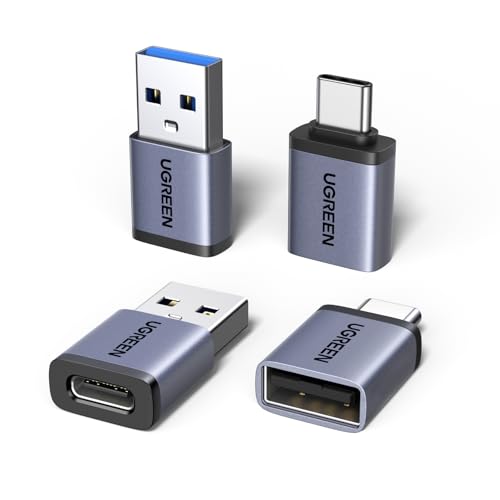
USB-C is common on newer laptops, tablets, phones, and cameras. The SanDisk Extreme Fit USB-C and Samsung Type-C USB Flash Drive are single-connector options for Type-C hardware. A dual-connector design may be more flexible when files need to move between a phone and an older computer. The Lexar D40E and SSK Dual USB-C+A document both USB-C and USB-A connectors.
A connector does not guarantee a particular transfer rate. The host port, device, file type, and operating system can affect actual results. Treat the supplied megabytes-per-second figures as listed ceilings or test conditions, not as a universal outcome.
Match capacity to the file types
Capacity needs depend on what the drive will hold. The selected range runs from 32GB in the Verbatim Store ’n’ Stay Nano to 256GB in the SanDisk Ultra Fit USB 3.2. A 32GB drive can suit documents, music, and a smaller set of photos. A 64GB model, such as the Samsung Type-C or Lexar A30E, provides more room for mixed everyday files. The 128GB products leave additional space for photos, videos, and larger transfers, while the 256GB SanDisk model is the highest-capacity selection here.
Remember that the usable space is lower than the advertised capacity because formatting and system data occupy part of the storage. For the selected models, check the device’s file-system requirements before moving very large files or using the drive with a console or car stereo.
Consider whether the drive should stay connected
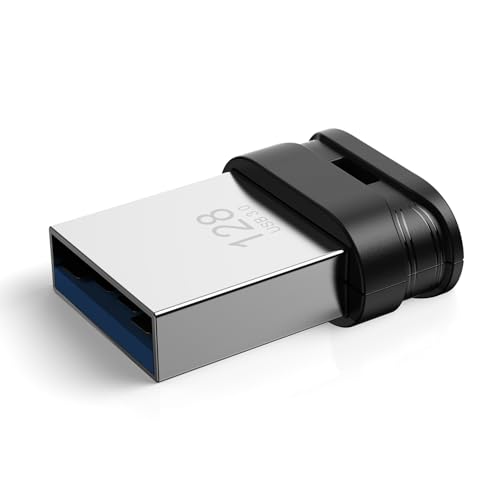
A plug-and-stay design is useful when the drive will remain in a port. The SanDisk Ultra Fit USB 3.2, PNY Elite-X Fit, SanDisk Extreme Fit USB-C, and Verbatim Store ’n’ Stay Nano specifically emphasize low-profile or stay-connected use. These shapes reduce protrusion compared with a conventional elongated thumb drive, though the available clearance around the port still matters.
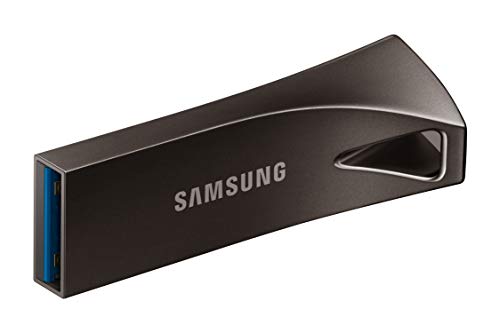
The Samsung BAR Plus uses a longer metal body and an integrated keyring. That format is easier to hold and carry than a tiny flush-mounted drive, but it may extend farther from the device. The Lexar D40E uses a 360-degree swivel design to switch between connectors, and the Lexar A30E uses a push-button retractor. Those mechanisms avoid loose caps, but they also create a different physical profile from nano drives.
Compare stated speed with your workflow
For large files, the listed interface and speed figures deserve attention. The SSK Dual USB-C+A lists up to 550MB/s read and 500MB/s write, while the SanDisk Extreme Fit USB-C and SanDisk Ultra Fit USB 3.2 list read speeds up to 400MB/s. Samsung Type-C lists up to 300MB/s, and Samsung BAR Plus lists up to 300MB/s in its feature text. PNY lists up to 200MB/s read speed.
The Verbatim Store ’n’ Stay Nano, Lexar D40E, and Lexar A30E list speeds up to 100MB/s, while the GARMESE Mini lists up to 90MB/s read and 30MB/s write. These figures can still be adequate for documents and routine transfers, but the evidence does not establish identical real-world results across products. USB 2.0 compatibility is useful for older equipment, but a USB 2.0 host will limit the interface available to a faster drive.
Review protection and file security
Construction features matter when a drive travels between locations. Samsung Type-C and Samsung BAR Plus listings describe waterproof, shock-proof, temperature-proof, magnet-proof, and X-ray-proof bodies. The GARMESE Mini listing describes waterproof protection, and the SSK drive lists a zinc-alloy shell with protective covers for its two interfaces. These are specification claims supplied by the listings, not independent durability-test results.
Security features vary. SanDisk Ultra Fit USB 3.2 lists downloadable password protection using 128-bit AES encryption. The Lexar D40E lists security software using 256-bit AES encryption, and Lexar A30E includes Lexar DataShield password-protection software. Verbatim lists password software for Windows. Software-based protection may require a download and may be limited by the operating system specified in the listing.
Final recommendation
SanDisk Ultra Fit USB 3.2 256GB ranks first overall in this specification-based comparison under the published weighted criteria.
The final choice among the best compact usb flash drives depends on the documented features that match your intended use.
SanDisk Extreme Fit USB-C 128GB is the highest-scoring returned product and the first overall specification-based choice. It combines a USB-C plug-and-stay design, 128GB capacity, USB 3.2 Gen 1, and a stated read speed up to 400MB/s. For a USB-A port, SanDisk Ultra Fit USB 3.2 256GB offers the largest selected capacity and the same stated read-speed ceiling. Samsung Type-C is a strong fit when documented environmental protection and USB-C compatibility are priorities.
For mixed USB-C and USB-A equipment, SSK Dual USB-C+A and Lexar D40E Dual USB are the most directly suitable designs. SSK has the higher listed transfer figures, while Lexar documents 256-bit AES security software. Samsung BAR Plus is the conventional metal USB-A option, and Verbatim Store ’n’ Stay Nano is the most purpose-built low-clearance choice. PNY Elite-X Fit, GARMESE Mini, and Lexar A30E round out the top compact usb flash drives with different balances of capacity, attachment, protection, and pack format.
Frequently Asked Questions
Are the best compact usb flash drives USB-C or USB-A?
It depends on the receiving device. SanDisk Extreme Fit USB-C and Samsung Type-C use USB-C. SanDisk Ultra Fit USB 3.2, PNY Elite-X Fit, Samsung BAR Plus, Verbatim Store ’n’ Stay Nano, GARMESE Mini, and Lexar A30E are USB-A choices. SSK Dual USB-C+A and Lexar D40E provide both connector types.
Which selected drive has the highest stated speed?
SSK Dual USB-C+A lists read speeds up to 550MB/s and write speeds up to 500MB/s. The listing notes that performance can vary with the host device and interface. SanDisk Extreme Fit USB-C and SanDisk Ultra Fit USB 3.2 each list read speeds up to 400MB/s.
Which drive is easiest to leave in a laptop or car stereo?
The Verbatim Store ’n’ Stay Nano is specifically described as a low-profile, snag-free drive that can stay in a laptop or car stereo. SanDisk Ultra Fit USB 3.2 and PNY Elite-X Fit also document plug-and-stay designs. Confirm that the drive’s connector and surrounding clearance suit the particular port.
Do compact USB flash drives provide file protection?
Some selected products document software-based protection or physical protection. SanDisk Ultra Fit USB 3.2 lists 128-bit AES password protection, while Lexar D40E lists 256-bit AES security software and Lexar A30E lists DataShield. Samsung Type-C and Samsung BAR Plus list multiple physical protection properties. Software features may require downloads and operating-system support.
What capacity should I choose for photos and videos?
The selected products offer 32GB, 64GB, 128GB, and 256GB configurations. Smaller capacities can suit documents and limited media collections. For larger photo or video libraries, 128GB or 256GB provides more listed storage headroom. Actual usable capacity is lower than the advertised number because formatting and system data use part of the drive.